
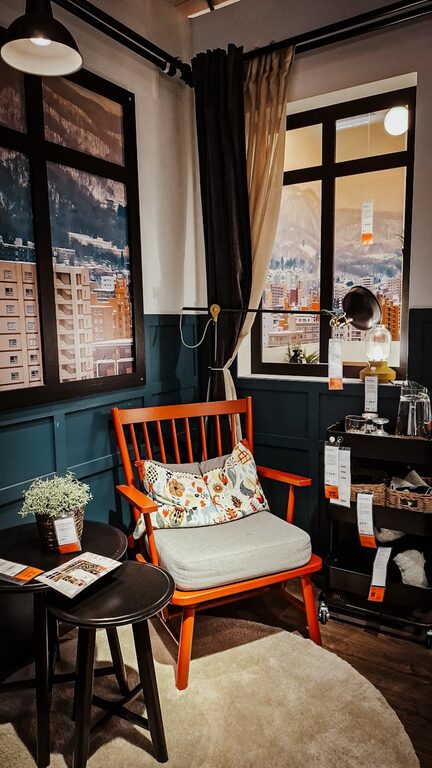
Creating a comfortable living environment starts with the right lighting. Whether it’s a cozy living room, a productive workspace, or a relaxing bedroom, the lighting you choose plays a key role in how you feel in your home. This blog post will guide you through practical tips for selecting lighting that enhances comfort and suits your everyday needs.
Why Comfortable Lighting Matters
Lighting affects mood, productivity, and even health. Harsh or poorly placed lights can cause eye strain, headaches, or disrupt your daily rhythm. On the other hand, well-thought-out lighting makes spaces inviting and functional. By focusing on comfort, you ensure your home feels pleasant to live in throughout the day and night.
Understand Different Types of Lighting
Before buying or installing fixtures, it’s important to know the types of lighting and how they serve different purposes:
1. Ambient Lighting
This is the general illumination that lights up an entire room. It comes from ceiling fixtures, chandeliers, or wall-mounted lights. Ambient lighting sets the overall mood and should be soft enough to avoid glare but bright enough for safe movement.
2. Task Lighting
Focused light designed for specific activities such as reading, cooking, or working. Examples include desk lamps, under-cabinet kitchen lights, and vanity lights.
3. Accent Lighting
Used to highlight architectural features, artwork, or decor. Accent lights add depth and character to spaces but usually aren’t bright enough for general tasks.
Understanding these types helps you layer lighting effectively, combining comfort with functionality.
Tips for Choosing Comfortable Home Lighting
1. Consider the Room’s Purpose
Different rooms have different lighting needs:
– Living room: Combine ambient lighting with soft task lights for reading or hobbies.
– Kitchen: Bright, shadow-free task lighting is essential, especially over counters and cooking areas.
– Bedroom: Use warm, dimmable lights to create a relaxing atmosphere.
– Bathroom: Clear, bright lighting around mirrors helps with grooming but avoid glare.
2. Choose Warm Light Bulbs
Light bulbs come in various color temperatures measured in Kelvins (K). For comfortable home lighting, bulbs between 2700K to 3000K emit a warm, cozy glow that relaxes the eyes. Avoid cool white or bluish lights in living areas, as they can feel harsh and clinical.
3. Use Dimmer Switches
Dimmers allow you to adjust the brightness according to time of day or mood. Installing dimmer switches in rooms like the living room or bedroom can enhance comfort and save energy.
4. Reduce Glare and Shadows
Glare from overly bright or exposed bulbs can cause discomfort and eye strain. Use lampshades, frosted bulbs, or indirect lighting to diffuse light. Pay attention to how shadows fall, especially in work areas, to avoid eye fatigue.
5. Incorporate Natural Light
Maximize daylight by using sheer curtains or strategically placing mirrors that reflect sunlight. Natural light not only feels more comfortable but also improves well-being and reduces the need for artificial lighting during the day.
6. Layer Your Lighting
Combine ambient, task, and accent lights to create depth and functionality. For example, a living room can have ceiling lights for general use, table lamps for reading, and wall sconces for decoration.
7. Choose the Right Fixtures
The style and placement of fixtures matter. A large pendant light might overwhelm a small space, while a too-small fixture may not provide enough light in a large room. Select fixtures that blend with your room’s design and meet your lighting needs.
8. Pay Attention to Energy Efficiency
Comfortable lighting should also be energy smart. LED bulbs provide bright, long-lasting light with minimal heat, making them comfortable to use and cost-effective.
Practical Lighting Ideas by Room
Living Room
– Use layered lighting: a central ceiling light, floor lamps near seating, and accent lights highlighting art or shelves.
– Choose warm bulbs around 2700K.
– Install dimmers for versatile mood settings.
Kitchen
– Bright, focused task lighting over the counter and sink.
– Ambient ceiling lights for overall brightness.
– Under-cabinet lighting to eliminate shadows when preparing food.
Bedroom
– Warm, soft bedside lamps with adjustable brightness.
– Avoid harsh overhead lighting.
– Consider smart bulbs to gradually brighten in the morning for gentle wake-up.
Bathroom
– Clear lighting around mirrors, preferably with bulbs that mimic natural daylight (around 3500K).
– Soft ambient light to create a calming environment.
Final Thoughts
Choosing comfortable home lighting is about balancing brightness, warmth, and function. By understanding lighting types, selecting the right bulbs, and layering lights thoughtfully, you can transform your home into a welcoming, relaxing space. Invest a little time in planning your lighting and enjoy the positive impact it has on your everyday life.
Feel free to share your favorite lighting tips or questions in the comments below!